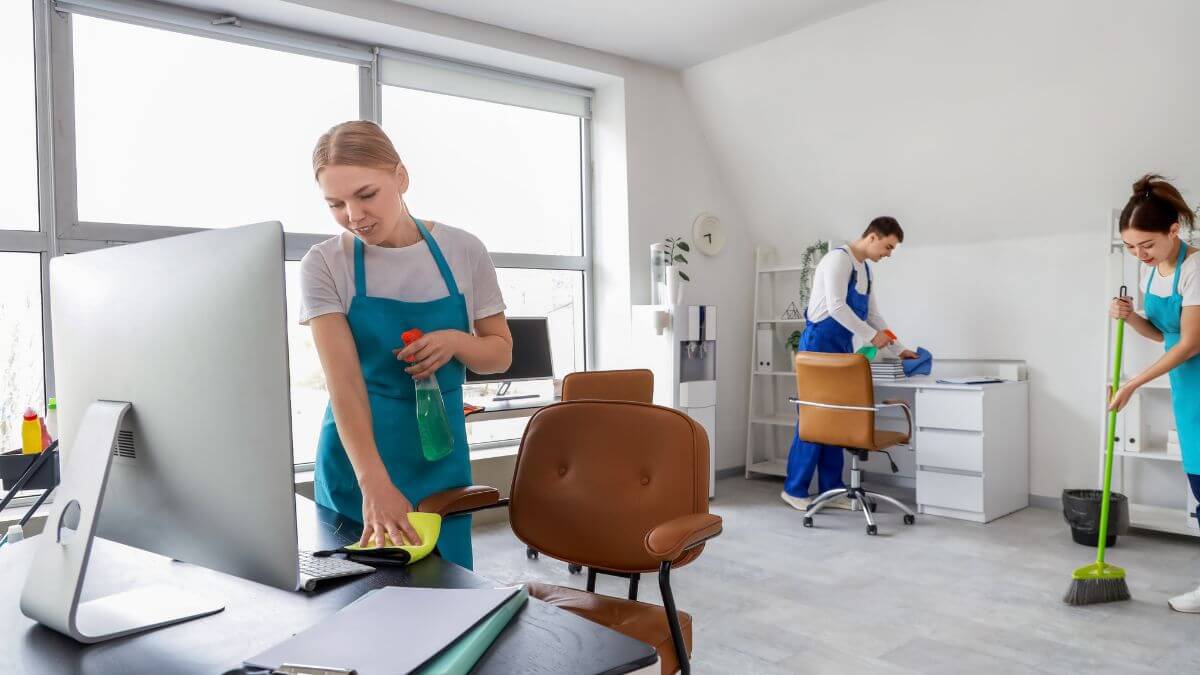
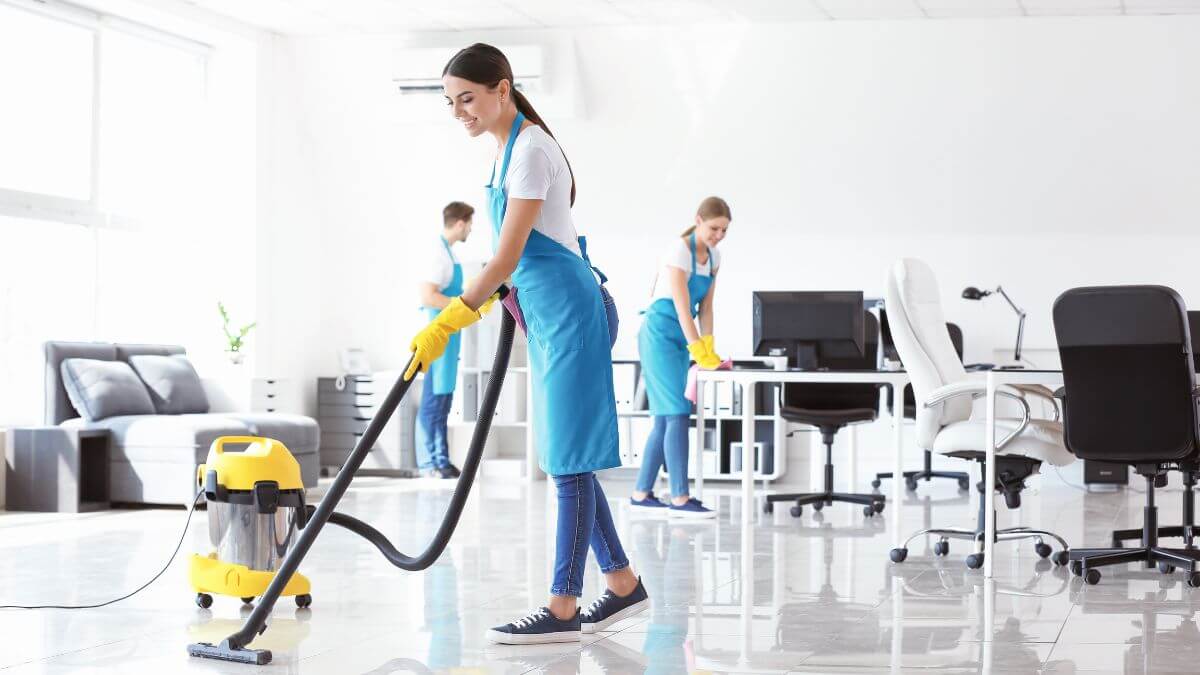
Running a small office often means balancing budgets while ensuring employees and clients enjoy a professional, healthy environment. While some business owners may view recurring cleaning as an added expense, it is better understood as a long-term investment. Regular office cleaning not only reduces day-to-day mess but also prevents larger issues that could become costly down the road.
Table of Contents:
Let’s explore the financial impact of recurring cleaning compared to occasional services, and why pairing it with periodic deep cleaning services offers the best long-term value for small offices.
Why Recurring Cleaning Matters for Offices
Small offices may not generate the same traffic as larger commercial spaces, but dust, dirt, and germs still build up quickly. Desks, break rooms, restrooms, and shared work areas accumulate bacteria that can impact employee health and productivity.
Recurring cleaning ensures these areas are addressed consistently, reducing the spread of illness and maintaining a professional appearance for clients. Beyond appearances, regular upkeep helps extend the life of carpets, flooring, and office furniture by preventing grime and stains from setting in.
For a closer look at comprehensive cleaning support, businesses can explore professional office cleaning services tailored specifically for workplace needs.
The Hidden Costs of Skipping Recurring Cleaning
When cleaning is postponed or handled sporadically, small issues often turn into bigger—and more expensive—problems.
- Carpets and Flooring: Dirt and debris cause premature wear, requiring early replacement.
- Office Equipment: Dust buildup in electronics can lead to malfunctions or shorter lifespans.
- Employee Sick Days: Inconsistent sanitation increases the spread of germs, costing businesses in lost productivity.
- Client Perception: A poorly maintained office may affect how clients view your professionalism.
While it might seem cost-effective to schedule fewer cleanings, the reality is that the long-term expenses from damage, illness, and reputational harm far outweigh the savings.
Comparing Recurring Cleaning vs. Occasional Deep Cleaning
Some businesses assume they can skip regular maintenance and rely solely on deep cleaning services once or twice a year. While deep cleans are essential for removing built-up grime and sanitizing overlooked areas, they aren’t meant to replace recurring cleaning.
- Recurring Cleaning: Focuses on daily or weekly upkeep—dusting, sanitizing surfaces, vacuuming, and keeping the office presentable.
- Deep Cleaning: Addresses areas not part of routine cleaning, such as grout scrubbing, vent cleaning, and thorough disinfection of high-use spaces.
The most effective approach combines both. Recurring cleaning keeps the office healthy and tidy, while deep cleaning ensures long-term preservation of the workplace. For businesses that need flexible options, commercial cleaning provides scalable services suited for both small and mid-sized offices.
Financial Benefits of Recurring Office Cleaning
Investing in consistent office cleaning can lead to measurable long-term savings. Some key benefits include:
- Reduced Replacement Costs: Carpets, flooring, and furniture last longer with regular care.
- Lower Absenteeism: A cleaner office helps reduce illnesses, improving employee attendance.
- Energy Efficiency: Clean air vents and systems operate more effectively, lowering utility costs.
- Fewer Emergency Services: Routine cleaning prevents the need for costly last-minute deep cleans before inspections or client visits.
By establishing a recurring schedule, small offices can better control their cleaning budget and reduce surprise expenses.
Creating a Cost-Effective Cleaning Plan
Every office has unique needs, and building the right plan is key to maximizing value. Factors to consider include:
- Office Size: Smaller offices may need lighter recurring cleaning, while busier environments benefit from more frequent visits.
- Employee Count: More staff means higher foot traffic and greater cleaning demands.
- Industry Needs: Offices in healthcare, finance, or client-facing roles often require stricter sanitation standards.
For some businesses, starting with a standard cleaning package provides a solid baseline. Over time, recurring services and occasional deep cleans can be added as the office’s needs evolve.
Long-Term Value Beyond the Balance Sheet
While cost savings are an important consideration, recurring office cleaning also delivers intangible benefits. Employees often feel more comfortable and motivated in a clean environment, which contributes to better morale and productivity. Clients walking into a tidy, well-maintained office are more likely to view your business as reliable and detail-oriented.
These long-term advantages make recurring cleaning a critical investment for small offices, blending financial benefits with improved workplace culture.
Final Thoughts and Next Steps
Recurring office cleaning may seem like a regular expense, but it delivers significant long-term savings by protecting your assets, reducing sick days, and avoiding costly repairs. Combined with occasional deep cleaning services, it creates a healthier, more professional environment for both employees and clients.
Ready to explore cost-effective cleaning options for your small office?
Contact InsideOut Cleaning today to learn more about recurring cleaning plans designed to keep workplaces fresh, professional, and efficient.